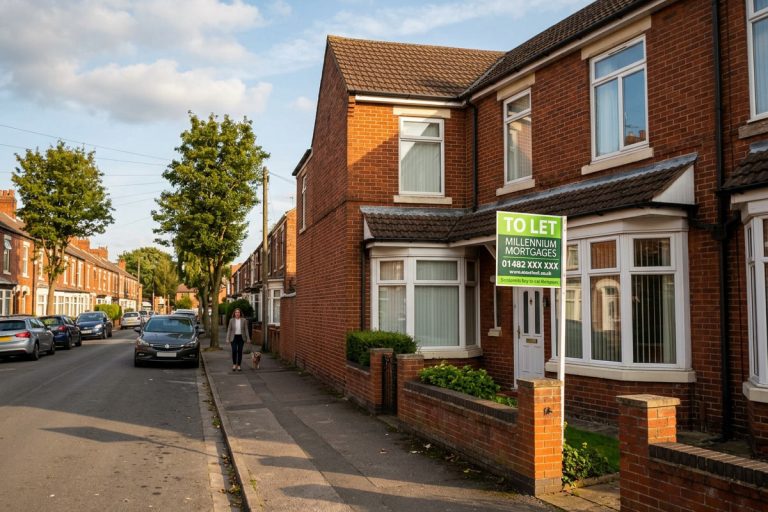
Years ago, choosing an interest-only mortgage might have looked like an attractive option, with spiralling property prices and the benefits of lower monthly repayments. Today, viewed in the light of no equity build and market risks, it’s essential to consider all factors carefully before opting for an interest-only mortgage.
Understanding Interest-Only Mortgages
So exactly what is an interest-only mortgage, and how does this compare with a traditional repayment option?
- An interest-only mortgage means you only pay the interest accruing on your mortgage loan, and none of the capital
- When your mortgage term comes to an end, you still owe the full amount of the original loan.
- As you only pay interest, your monthly payments are lower than they would be with a repayment mortgage, but the original amount borrowed never reduces.
- By contrast, with a repayment mortgage, you pay off both the interest and the capital as the years progress, so when your mortgage term comes to an end, you have paid off the original loan in full.
- Interest-only mortgages can be a good solution if you have a plan to pay off the capital at the end of the mortgage term.
- Some interest-only mortgages may be set up to transition to full principal and interest payments after a period of time.
Pros and Cons
Pros:
- The key advantage of an interest-only mortgage is lower monthly payments, as you are only repaying interest and not the loan itself.
- It can also be a flexible option if your long-term plan is to move or refinance before your mortgage term ends.
- Interest-only mortgages are often a favourable solution for buy-to-let investors to maintain positive cash flow.
Cons:
- When the term of the mortgage comes to an end, you will still owe the full amount of the original loan.
- You will not build equity in your home by repaying the original loan; any equity will be based on the property’s increase in value.
- If interest rates rise sharply, your payments too will increase in line with this, which could cause unforeseen financial difficulties.
- There is always an element of market risk – if the value of the property decreases, you could end up owing more than it is worth.
- Lenders will apply stricter lending criteria for an interest-only mortgage.
- There is always the risk of a capital repayment shortfall if you do not have a plan in place to repay the mortgage at the end of the agreed term.
Interest Only Mortgage Balance: Your Future Self’s Problem?
If you are considering an interest-only mortgage, it is vital to have a repayment plan to repay the mortgage in full at the end of the agreed term. This may involve savings plans, other investments, and even endowment policies, although these have largely fallen from favour due to poor performance over recent years.
When planning ahead to repay an interest-only mortgage, you could consider the following options.
- Make sure you understand exactly what you are undertaking, including the monthly interest payments and the amount you will be required to pay at the end of the mortgage term.
- Create a mortgage repayment plan to repay the capital, which may involve savings plans or the sale of other assets to ensure you can meet the full amount when due.
- Talk with your mortgage adviser or proposed lender about repayment plan options to assess the feasibility of your plan and explore any additional options.
- Keep a careful eye on your finances at all times, monitoring income, savings, and expenses to ensure your plans stay on track.
- Consider switching to a repayment mortgage, which will allow you to amortise the capital over the remaining years of the mortgage term.
These steps will help you develop a clear, practical repayment plan for your interest-only mortgage at term and avoid undue financial pressure.
Later in this post, we’ll take a closer look at what you can do if it looks like you may fall short on what you owe the lender when approaching the end of the term.
What Will Your Mortgage Lenders’ Expectations Be?
Mortgage lenders have strict qualifying requirements for all types of mortgage applications in line with the requirements of the Financial Conduct Authority, the UK’s main financial regulatory body.
During the application process for an interest-only mortgage, you would have been required to convince the lender of your repayment strategy. Evidence of investments, other assets, and plans is required to convince the lender of the future ability to repay the loan.
It is usual for responsible lenders to contact borrowers on interest-only mortgages six to twelve months before the end of the mortgage term to discuss repayment options in detail.
It is important to be aware that if you fail to repay your interest-only mortgage at the end of the term, you may face repossession, regardless of a reliable record of interest-only payments over the years.
Can You Make Overpayments on an Interest-Only Mortgage?
Yes, it is possible to overpay on an interest-only mortgage. However, there are caveats.
- Any overpayment may not necessarily reduce the original loan term but may instead reduce future interest payments.
- Some lenders may allow you to make overpayments of a percentage of your mortgage balance without penalties, such as Early Repayment Charges (ERCs).
- You may be able to make lump-sum overpayments, but it is important to check for any applicable charges imposed by the lender to see how they affect what happens at the end of an interest-only mortgage.
- If you choose to overpay and reduce the principal balance of your mortgage, this will affect your interest charges in the future.
The Final Phase of an Interest-Only Mortgage: Your options
What can you expect at the end of your interest-only mortgage term? You must repay the capital and any accrued interest. If you are unable to do this, you have several options.
Switch From an Interest-Only to a Repayment Mortgage
You may choose to switch from an interest-only to a capital repayment mortgage. If this is your chosen repayment vehicle, it is important to contact your lender well in advance of the end of the mortgage term to discuss implementing the change.
- If your current lender is unwilling or unable to accommodate the change to a capital repayment mortgage, you could consider remortgaging with an alternative lender to meet your requirements.
- This will reduce or eliminate the lump-sum payment you need to make at the end of the new mortgage term.
- However, this will also mean your monthly repayments will increase significantly, as you will now be repaying both interest and capital.
Extending Your Existing Mortgage Term
Mortgage terms are usually defined at the start of the agreement, but lenders may be open to extending the term. Extending the mortgage term may provide more time to pay off the debt, but it requires an affordability assessment, which is affected by your age.
Pros:
- You may be able to request a 10, 15, or even 20-year extension to give you more time for your repayment plans to come to fruition.
Cons:
- There is no guarantee that you will be able to extend the term with your current provider, as extensions are at the lender’s discretion.
- You will be subject to a full affordability assessment to ensure you can make the required repayment. This may be problematic if your personal financial situation has changed since the original mortgage was arranged, or if you are in retirement.
- Extending the term also means you may pay more in servicing costs over the life of the loan.
It’s important to examine your options as early as possible to make an informed decision.
Remortgage
If you are considering a remortgage, this may be with your existing lender or alternatively with a new lender. This means you move onto a new repayment vehicle.
- This may mean remortgaging to a capital repayment mortgage to reduce the principal balance of the original loan.
- Remortgaging to another interest-only loan may even result in securing improved or more flexible terms.
- It is important to consider the lenders’ rules on the maximum allowable age at the end of term; many will extend to those aged 80, and your pension can be considered acceptable income.
Consider an RIO mortgage
A Retirement Interest Only (RIO) mortgage may also be a consideration for you.
- RIO mortgages are designed for older borrowers seeking to manage their finances in retirement or even unlock equity from their homes.
- RIO mortgages allow you to borrow against the value of your home whilst continuing to make interest-only payments for the agreed term of the mortgage.
- This loan is then repaid when you sell the property, move into long term care or pass away.
Talk to a mortgage adviser to decide upon the best course of action for you when your interest-only mortgage ends.
Consider an Equity Release Plan
Many homeowners aged 55 or older consider equity release to help fund their retirement. But is this an option to repay the outstanding balance on an interest-only mortgage?
Any equity release plan will demand the repayment of existing mortgages, and it is possible to use equity release for this purpose.
If you are over 55 and have an interest-only mortgage coming to the end of its term in the next 12 months, it may be possible for you to use an equity release plan or a lifetime mortgage.
Pros:
- There is no upper age limit; lender offers plans with varying age and loan qualifications.
- No monthly payments are required and your home is not at risk of repossession.
- Lifetime mortgages (the most popular form of equity release) do allow you to make optional repayments of interest charges.
Cons:
- Dependent upon your personal circumstances, this may not be enough to repay the original loan amount.
- Percentages you can release from your home start at around 29.1% at age 55, increasing with age to a maximum of 59.05%.
Move House
Some homeowners approaching the end of an interest-only mortgage deal decide to move home, selling their current property to buy a smaller, less expensive home, freeing up funds to pay off the outstanding loan.
For many, this is a convenient solution, coming at a time when children are leaving home, less space is required, and lower overheads are welcomed.
Sell the Property
Selling the property outright to clear the outstanding interest-only mortgage is also an option.
Pros:
- Clears the loan in total, often leaving you with enough money to buy a smaller property.
- Reduces the stress of carrying large debt as you grow older.
Cons:
- Loss of the security of home ownership.
- Unsuitable for those who wish to remain in their own homes.
Sell Off Another Property or Other Assets You Own
If you own another property, you may consider selling it to pay off the outstanding interest-only mortgage.
You may also consider selling other assets, such as stocks and bonds, to help repay the loan.
It may be possible to use funds from ISAs or pension savings to own your home outright in the future.
Always seek advice from a qualified financial adviser or mortgage broker to ensure you explore all avenues and optimise your resources.
Why Good Advice Matters
However simple or complex your financial situation, it is always valuable to consult a broker specialising in interest-only mortgages for informed advice on the best repayment options and to examine what happens at the end of an interest-only mortgage.
Millennium Mortgages offers professional, personalised mortgage and protection advice to clients across the UK. Our product specialists across all mortgage areas will evaluate your current financial situation and advise on the repayment options that best suit you, providing bespoke solutions for the end of an interest-only mortgage term.
- Personal and bespoke advice on every aspect of interest-only mortgages
- Assistance with securing the best deals for remortgaging and equity release
- Assistance with all paperwork required
- Advice and support for your mortgage and personal finances going forward.
If you’re nearing the end of your interest-only mortgage and looking for advice in Halifax, Huddersfield, Wakefield, Beverley, or Hull, speak with our dedicated mortgage broker to find out your options.
End of Interest-Only Mortgage Example Scenario
Mr and Mrs McFarland, both in their early 60s, from Huddersfield, contacted Millennium Mortgages because their interest-only mortgage was approaching the end of its term. They had two years remaining on their mortgage, with a balance of £130,000 on their home worth £260,000.
When the mortgage was first arranged, the plan had been to downsize and use the sale proceeds to clear the mortgage. However, as retirement approached, they realised they no longer wanted to move.
Although switching to a repayment mortgage was considered, there were limitations on how long the term could be stretched. This meant the monthly payments would be too high to manage comfortably.
After reviewing the options, Mike Plaster of Millennium Mortgages advised that the most suitable solution was a retirement interest-only (RIO) mortgage. They were able to switch to a lender who specialises in later-life borrowing and to a product that aligned with their new circumstances. This allowed Mr and Mrs Smith to keep their monthly payments affordable while extending the term, with no requirement to repay the loan during their lifetime. The mortgage would be repaid only when the last borrower passes away or enters long-term care, and the remaining proceeds from the sale would form part of their estate.
By choosing this option, Mr and Mrs McFarland were able to remove the pressure of an approaching mortgage end date, stay in the home they love, and enjoy greater peace of mind as they move into retirement.
Considerations for Older Borrowers
The world is constantly changing. The impact of retirement age on your income and options, from remortgaging to tax-free money from equity release schemes, can make a significant difference to your life.
Evaluating the long-term affordability of the many options available to you is key, particularly for borrowers aged 55 or older who need to make informed decisions about potential and existing monthly payments in light of expected future income.
Homeowners aged 55 or over can use equity release products to pay off their mortgage, but this will reduce the value of their estate. For many, this is an important consideration because they want to leave assets to adult children and grandchildren.
What if You’re in Negative Equity?
Markets do fluctuate, and external factors can affect your property’s value. If your home has decreased in value, then you may be in what is known as negative equity, which simply means the property is worth less than you owe on it.
In the event of this, negotiating a mortgage extension gives you breathing space to pay off your loan and for the market to change, bringing you out of negative equity. Always consult with a qualified broker.
Can You Pay Off Your Mortgage Early?
So you’ve done your sums, and you’re in the fortunate position of being able to pay off your interest-only loan before the end of the agreed term.
- Consult with your lender to examine the implications.
- There may be an Early Repayment Charge in place; if so, you will need to assess it and decide whether the financial advantages of early repayment outweigh the charge.
- Consult an expert financial adviser for detailed advice on your personal situation.
In Summary
Planning ahead is vital if you are considering what happens when your interest-only mortgage ends – never leave it until the last minute. Enjoy all the benefits of expert advice. Contact Millennium Mortgages to find out more about your own personal options as the end of your interest-only mortgage term approaches.
The information contained within was correct at the time of publication but is subject to change.