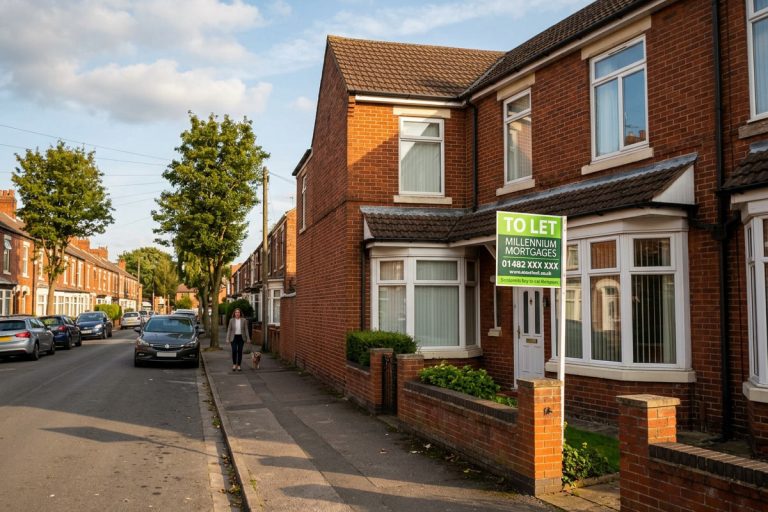
Watching your adult child struggle to save for a house deposit while rents keep climbing is tough. If you have the means, helping them onto the property ladder feels like the obvious thing to do. But knowing exactly how much assistance to offer, which method to use, and what the tax implications might be is another matter entirely.
This guide walks you through every realistic way parents can provide financial support for a child’s house purchase in the UK, including what mortgage lenders expect, what HMRC cares about, and how to protect your own financial security along the way.
Key Takeaways
Whether you are thinking about gifting money, lending it, or going on a mortgage alongside your child, here is what matters most before you commit to anything.
- You can help a child buy a home through gifted deposits, formal loans, a joint mortgage, a Joint Borrower Sole Proprietor (JBSP) arrangement, guarantor mortgages, family offset mortgages, or by raising funds against your own home.
- The annual inheritance tax allowance lets each parent give up to £3,000 per year as a tax-free gift. Larger gifts become potentially exempt transfers and may trigger an inheritance tax bill if you die within seven years.
- If parents become co-owners of the property, it may attract an extra 3% stamp duty surcharge because it counts as an additional home.
- Helping your child financially must not jeopardise your own retirement, emergency savings, or ability to remortgage. Always get tailored mortgage and tax advice.
- Millennium Mortgages supports first-time buyers and families across Hull, Huddersfield, Wakefield, Beverley, Halifax, the wider M62 corridor, and nationally via remote appointments. Contact us to discuss your specific circumstances.
Tax advice is not being provided, and you should seek advice from an appropriate tax professional.
Why So Many Parents Now Help Their Child Buy a Home
Rising property prices, stricter lending criteria, and the sheer cost of living have made the deposit the single biggest barrier for first-time buyers. In many parts of England, saving a 10% deposit on even a modest starter home can take five years or more. The result is that the bank of mum and dad has become one of the UK’s largest unofficial lenders.
The numbers tell the story clearly. In 2024, 52% of first-time buyers received financial help from family, and parents provided £9.6 billion in gifts and loans that year alone. In 2021, parents handed over £6.3 billion to help children buy homes. By 2023, 61% of first-time buyers were expected to get help from family. The trend is only accelerating, driven by rising house prices and wages that have not kept pace.
Consider a practical example: a £220,000 starter home in Yorkshire requires a £22,000 deposit at 10%. A child saving £300 per month would need over five years to reach that figure, without accounting for inflation or rising property prices.
Most adult children buy in their late twenties to early thirties, and many simply cannot get there without financial assistance from their parents. The emotional drivers are real, too. Parents want stability and security for their children, but they don’t always grasp the mortgage, legal, and inheritance tax implications of the help they provide.

That is exactly why working with a mortgage broker like Millennium Mortgages matters. Lender rules vary enormously on what they will and won’t accept as a deposit source, and families across the M62 corridor and beyond benefit from having someone who can compare those rules impartially.
Tax advice is not being provided, and you should seek advice from an appropriate tax professional.
Start With an Honest Family Money Conversation
Before looking at any mortgage products, sit down together and get the basics on the table.
- Have your child review their income, outgoings, existing debts, and credit reports. First-time buyers should check their credit and obtain pre-approval before house shopping.
- Encouraging children to establish a realistic budget includes all ownership costs, not just the mortgage payment. Factor in solicitor fees, surveys, insurance, maintenance, and monthly bills.
- Parents can also help children with upfront costs like legal fees or surveys, which can run to £1,500–£3,000 on top of the deposit itself.
- Set a clear budget. If a child earns £32,000 and has £300 per month spare, that may support a mortgage of roughly £140,000–£150,000 on a single income. Compare that against local prices in Hull or Halifax, and you will quickly see whether parental help is needed, and how much.
- Agree early whether the help will be a gift, a formal loan, or support with a mortgage application, such as JBSP.
- A broker such as Millennium Mortgages can help both generations understand realistic borrowing limits and what most mortgage lenders will and won’t accept.
Option 1: Gifting Money for a Deposit (“Pure Bank of Mum and Dad”)
A gifted deposit is the simplest route. Parents or grandparents provide part or all of the house deposit as a financial gift with no expectation of repayment. Gifted deposits typically range from 5% to 20% of the property’s value, and gifting a deposit can help secure lower mortgage interest rates by reducing the loan-to-value ratio.
Worked example: On a £220,000 first home in Wakefield, a 10% deposit is £22,000. If your child has saved £7,000, you might gift £15,000 to reach the required down payment. A 10% deposit can open broader mortgage options compared to a 5% deposit, often with better rates.
Here is what lenders and HMRC need to know:
- A Gifted Deposit Letter may be required by mortgage lenders. This letter confirms the money gifted is non-refundable, states the source of funds, relationship to the buyer, and that you have no claim on the property. Gifted deposits require a signed letter confirming that the funds are a non-repayable gift.
- Lenders will ask for ID from the person gifting money, plus bank statements showing the source of funds. Expect anti-money laundering checks, which may require providing numerous bank statements dating back several months.
- Children won’t pay tax on gifted deposits immediately. There is no immediate tax charge on a gift of a house deposit.
- Parents can gift up to £3,000 annually without inheritance tax. Gifts over that become potentially exempt transfers. If the giver dies within seven years, those gifts may be pulled back into the estate for inheritance tax purposes. Gifting a deposit can also improve children’s mortgage interest rates by lowering the purchase price they need to borrow against.
- Gifting can help reduce a future inheritance tax bill if parents survive for 7 years, but this must be balanced against the need to maintain sufficient cash savings for retirement.
Please note, IHT liability is only applicable to estates in excess of £325,000.
Tax advice is not being provided, and you should seek advice from an appropriate tax professional.
Option 2: Lending Your Child Money Instead of Gifting
If you prefer that parents lend money rather than give it away, you can advance child money as a private loan. This keeps the capital nominally within your estate but introduces different complications.
- Put the arrangement in a formal loan agreement drawn up by a solicitor. Include the loan amount, interest rate (if any), repayment schedule, when repayment is due (for example, on sale or remortgage), and what happens if a parent dies.
- Some mortgage lenders will not accept loan deposits at all. Others will only accept loan deposits if repayments are deferred until the property is sold. Your broker needs to know up front so they can match lenders that accept loan deposits.
- Charging interest makes that income taxable for parents via self-assessment. If the loan is interest-free, it is simpler from a tax perspective, but the debt remains an asset of your estate.
Example: Parents lend £20,000 interest-free to top up a deposit for a flat in Beverley, with repayment due when the property is sold. Because the debt remains owed, it stays within the parents’ estate for inheritance tax purposes, unlike a gift. If the child cannot repay, you may lose half or more of your money, so clarity in writing is essential.
Speak to Millennium Mortgages early so we can match lenders to the deposit structure, whether that is a gift or a loan.
Tax advice is not being provided, and you should seek advice from an appropriate tax professional.
Option 3: Buying Jointly or Taking a Joint Mortgage
A joint mortgage means the parent goes on both the mortgage and the property deeds as a co-owner. Joint mortgages make parents equally liable for repayments, but they also let you combine incomes to qualify for a larger loan.
- Combined incomes can significantly boost affordability calculations, especially where a child’s salary alone falls short.
- If parents already own a home, co-owning another property usually attracts the 3% additional stamp duty surcharge on the full purchase price. This can add thousands to the cost.
- Capital gains tax may apply on the parent’s share if it is not their main residence and the property is later sold at a profit.
- All owners are jointly and severally liable for the mortgage debt. If the child misses mortgage repayments, the lender can pursue the parents. This will affect the mortgage offers parents receive for their own home in future.
- A joint purchase gives parents a clear ownership stake, which can be useful for fairness if you have more than one child to consider.
Millennium Mortgages can compare standard joint mortgage options with more specialist arrangements and explain which lenders support which routes.
Tax advice is not being provided, and you should seek advice from an appropriate tax professional.
Option 4: Joint Borrower, Sole Proprietor (JBSP) – Using Income, Not Ownership
A JBSP mortgage is one of the most popular bank-of-mum-and-dad mortgage options available today. Both the parent and the child are on the mortgage, but only the child is on the property deeds, so the child retains full ownership.
- Joint Borrower Sole Proprietor mortgages boost borrowing power without naming the guarantor on the property deeds. This means the parents’ income is factored into affordability calculations, but they do not legally own a share of the property.
- Joint-borrower, sole-proprietor mortgages avoid stamp duty surcharges that would apply if parents were named as co-owners of an additional home.
- Parents are still fully liable for mortgage payments if the child cannot pay. The child’s mortgage will appear on the parent’s credit file and can affect mortgage affordability calculations for their own borrowing.
Example: A child in Huddersfield earning £30,000 plus a parent earning £45,000 uses JBSP to borrow enough for a £240,000 home. Without the parents’ income, the mortgage applicant would only qualify for roughly £130,000–£140,000, putting most local properties out of reach.
- Lenders typically impose age limits (often 70–80 at the end of the mortgage term) and expect a plan to eventually remove the parent via a remortgage as the child’s income grows.
- Discuss JBSP with Millennium Mortgages to assess the impact on parents’ ongoing mortgage or remortgage plans.
Your home may be repossessed if you do not keep up repayments on your mortgage.
Option 5: Guarantor, Family Offset and “Bank of Mum and Dad” Style Mortgages
Several specialist products exist for families who want to help without handing over a lump sum.
- Guarantor mortgages allow parents to secure their child’s loan by guaranteeing some or all of the mortgage debt. The guarantee may be secured against the parents’ own home or savings. Guarantor mortgages allow home equity to serve as security for a mortgage without upfront cash.
- Family offset mortgages reduce interest by linking to a parent’s savings. Parents deposit a sum into a linked account, which offsets the child’s mortgage balance for interest calculations. Parents earn little or no interest on that pot while it is held.
Example: For a £200,000 mortgage in Halifax, parents put £20,000 into an offset account for five years. This reduces the child’s monthly interest payments, and if repayments are maintained, the parents’ cash savings are released at the end of the period.
- Savings may be locked in for 3–5 years. If the child falls behind on payments, parents could lose some or all of those savings.
- Being a guarantor will appear on your credit file and can affect mortgage offers you receive for your own borrowing.
- Details vary hugely by lender and product. Using a mortgage broker like Millennium Mortgages is important to compare the small print and long-term implications.

Option 6: Using Your Own Home or Pension to Raise Funds
Some parents consider taking out a cash advance against their home to provide financial assistance. This carries serious risks and deserves a cautious approach.
- Options include remortgaging your own home, taking a further advance, a retirement interest-only mortgage, or later-life lending via a secured loan.
- Borrowing against your own home increases your own monthly payments and could reduce what you have available in retirement.
Example: A couple in their late 40s in Beverley remortgaging from £80,000 to £120,000 to release £40,000 for a child’s deposit. On a capital repayment mortgage over a 20-year term at 5%, that extra £40,000 adds roughly £265 per month to their mortgage repayments, and would cost over £23,000 in interest over the period.
- If income falls after retirement, higher payments could become a real strain. Missing payments puts your own home at risk of repossession.
- Speak both to a mortgage broker and, where relevant, seek independent financial advice before using pensions or later-life borrowing to help children. Your own financial security must come first.
Lifetime Mortgage will reduce the value of your estate and may affect your entitlement to means-tested benefits and tax status. The impact of not servicing monthly interest payments on a Lifetime Mortgage is that the outstanding debt can grow rapidly, thus reducing the value of your estate. For example, if the interest rate was 7% a year, a £50,000 loan would double to £100,000 after 10 years assuming no repayments are made. This is an example for illustrative purposes only and personalised advice and recommendations should be sought from a qualified professional. You are strongly advised to register a lasting power of attorney. This will allow your affairs to be managed by somebody else if your mental abilities significantly decline.
Protecting Your Contribution if Your Child Buys With a Partner
When a child buys with a partner or friend, your financial gift could be at risk if the relationship breaks down.
- A deed of trust can protect gifted money if your child splits up. This legal document, prepared by a solicitor, specifies that, for example, the first £30,000 of equity plus a set share of growth belongs to your child.
- Without legal documents, a partner could walk away with half the property and half your money if the relationship ends.
- It is crucial to document any financial support given to prevent misunderstandings, both between your child and their partner and between siblings.
- Update or create wills so that early financial help is reflected fairly. If you have helped one child now, your will should address how this affects inheritance for other children.
- Millennium Mortgages cannot provide legal advice, but we regularly flag when clients should involve a solicitor for deeds of trust or co-ownership agreements.
Tax and Inheritance Planning When Helping a Child Buy a House
Understanding the inheritance tax implications of helping a child buy a house is essential before committing any money.
- Parents can gift up to £3,000 per person annually without incurring inheritance tax. A couple can therefore give up to £6,000 between them each year, and if they have not used the previous year’s allowance, parents can gift up to £12,000 without inheritance tax implications by carrying forward unused allowances.
- Gifts over £3,000 may incur inheritance tax if the giver dies within seven years. This is the “7-year rule” for potentially exempt transfers.
- Inheritance tax can reach 40% on gifts if the estate exceeds £325,000 (the nil-rate band). The residence nil-rate band adds a further £175,000 when passing a main home to direct descendants.
- “Gifts out of normal expenditure” made from surplus income that do not affect your standard of living may be exempt from IHT if properly documented.
- Loans do not remove value from the estate because the debt is still owed back to the parent. Any interest charged is taxable income.
Example: Gifting £40,000 in 2026 to help a child in Hull buy a flat uses that year’s £3,000 allowance, leaving £37,000 as a potentially exempt transfer. If the parent dies before 2033, that £37,000 could increase the inheritance tax bill. How much tax is owed depends on the total estate value, available nil-rate bands, and taper relief.
We recommend seeking tax advice from a tax professional, particularly where multiple children or large sums are involved. A financial adviser or tax specialist can model exactly how much assistance you can afford to give without creating a problem.
Tax advice is not being provided, and you should seek advice from an appropriate tax professional.
Making Sure You Don’t Jeopardise Your Own Financial Security
It is natural to want to provide financial help, but your own financial security must remain the priority.
- Stress-test your finances: can you still cover your mortgage, bills, and retirement plans if interest rates rise, markets fall, or you need care later in life?
- Taking on extra-credit commitments as a guarantor or JBSP borrower can affect your ability to remortgage, downsize, or move home in the future. These commitments affect mortgage affordability calculations when you next apply for borrowing.
- Document all decisions in writing. Share your intentions with all children where appropriate to avoid misunderstandings.
- Millennium Mortgages can assess affordability for both the child and the parents, helping to ensure that financial support is sustainable for everyone involved.
How Millennium Mortgages Can Help Your Family
Millennium Mortgages is a whole-of-market mortgage broker with access to over 10,000 mortgage products, including many specifically designed for first-time buyers and bank-of-mum-and-dad arrangements.
- Our teams are based in Hull, Huddersfield, Wakefield, Beverley, and Halifax. Most appointments are now held remotely via phone or video, so we work with clients across the UK.
- We regularly help families compare options such as gifted deposits, JBSP mortgages, guarantor and family offset mortgages, and remortgaging to raise funds for a child’s house purchase.
- We can explain which mortgage lenders will accept different deposit structures, what bank statements showing the source of funds look like in practice, and how to structure the arrangement so it works for both generations.
Ready to explore your mortgage options or work out the best way to help your child buy a home? Book a no-obligation appointment to discuss your family’s exact circumstances with one of our advisers.
Next Steps: Practical Checklist Before You Help Your Child Buy
Before committing any money, work through this checklist:
- Review your own finances: income, debts, pension, emergency fund, and any planned retirement date.
- Talk openly as a family about what is realistic, what form help will take, and how much is available.
- Decide whether help will be a gift, a formal loan, or mortgage support (JBSP, guarantor, offset).
- Ask your child to check their credit report and get a mortgage deal in principle before viewing properties.
- Agree on a realistic property purchase price range based on the child’s income and any contributions from family members.
- Collect documents: ID, payslips, provide bank statements showing savings history, details of any money to be gifted or loaned, and proof of address.
- Book an appointment with a mortgage broker. Millennium Mortgages offers online booking and national reach, so there’s no reason to delay.
All mortgages are subject to status and affordability checks. Failure to keep up with mortgage repayments can result in repossession of the property.

FAQs: Helping Your Child Buy a House
In the UK, your child is normally still classed as a first-time buyer if they have never owned a property before, even if the deposit comes from the bank of mum and dad.
If parents go on the property deeds as co-owners, the child may no longer qualify for first-time buyer stamp duty relief because they are buying with someone who already owns a home.
JBSP mortgages avoid this problem because the parent is not named on the deeds. Confirm current stamp duty rules with a solicitor or your mortgage broker before committing.
Many parents help one child first when that child happens to be buying, and plan to balance things out with future gifts or through their will.
Keep a simple written record of amounts given or loaned to each child and share your intentions so expectations are clear.
Speak to a solicitor or estate planner about reflecting these decisions in your will or a letter of wishes. This avoids disputes down the line.
Any mortgage you are a party to, even if you don’t live in the property, will usually be taken into account when lenders assess your affordability for a new mortgage deal.
This can limit how much you can borrow for your own home move or remortgage, especially if your income is fixed or you are approaching retirement.
Discuss medium-term plans with Millennium Mortgages before agreeing to be a joint borrower or guarantor, so the plan includes an exit route, such as the child remortgaging independently once their income grows.
There is no single answer. Giving money now may help your child buy a house sooner and may reduce a future inheritance tax bill if you survive at least 7 years.
Balance this against the risk that you may need those funds later for care costs, emergencies, or to maintain your lifestyle in retirement.
Seek combined mortgage, financial planning, and tax advice to decide the right timing and amount for your family. What works for one family may not suit another.
If parents are only gifting money, their credit history is usually irrelevant to the child’s mortgage application, provided the lender is satisfied with the gift documentation and numerous bank statements showing the source of funds.
If parents are going on the mortgage as joint borrowers, guarantors, or under a JBSP arrangement, lenders will check the parents’ credit files. A poor credit history may restrict product choice or increase interest rates.
Contact Millennium Mortgages to review both parents’ and the child’s credit reports and identify lenders who may still be able to help, even where credit is not perfect.
The information contained within was correct at the time of publication, but is subject to change. This is for information only and does not constitute advice